Vaccination
Jun 04, 2026
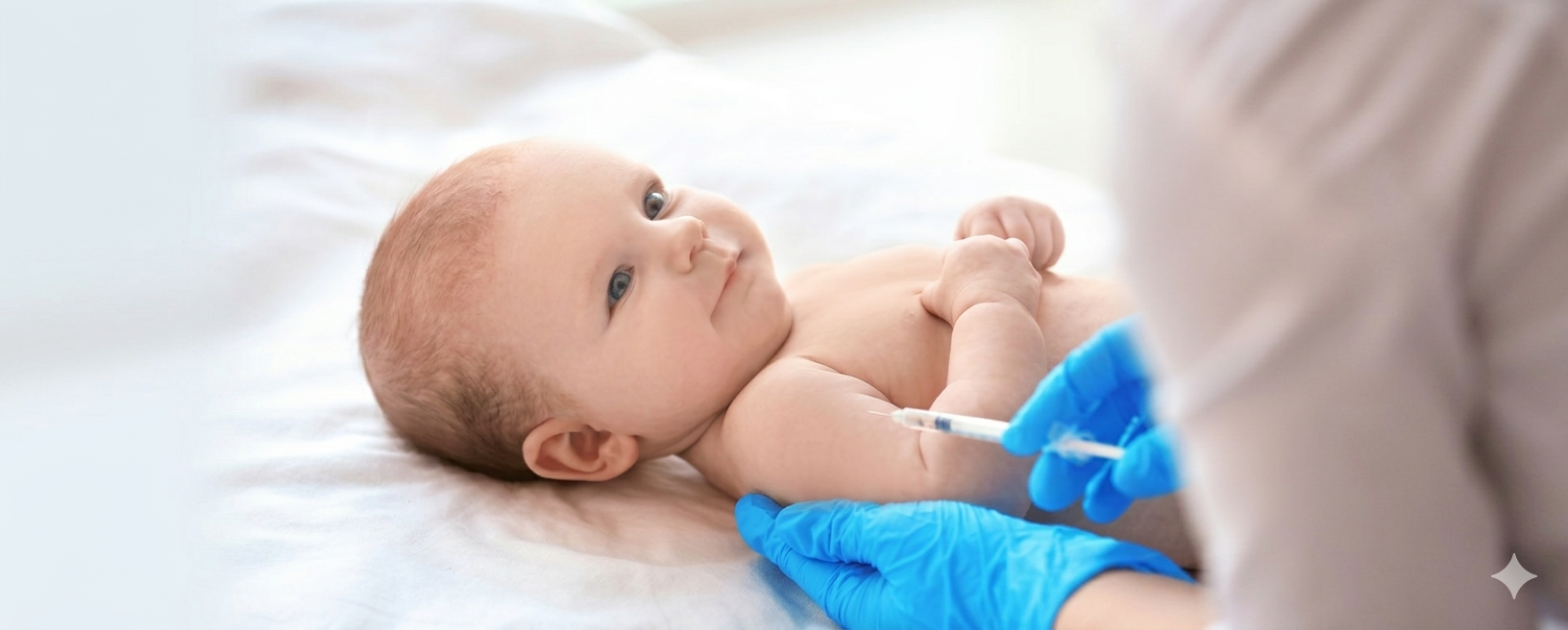
Vaccination is one of
the most effective and important ways to protect children from serious and
potentially life-threatening diseases. From the moment a child is born, their
immune system is still developing and may not be strong enough to fight certain
infections. Vaccines help strengthen the body's natural defenses and provide
protection against a wide range of diseases that once caused significant
illness, disability, and death among children worldwide.
Thanks to modern
vaccination programs, many dangerous diseases such as polio, measles,
diphtheria, and tetanus have been significantly reduced or even eliminated in
many parts of the world. However, these diseases can still pose a threat if
children are not vaccinated on time. This is why childhood immunization remains
a critical part of preventive healthcare.
How Vaccines Work
Vaccines contain
weakened, inactive, or harmless parts of a disease-causing organism. When a
vaccine is administered, it stimulates the immune system to recognize and fight
the infection without causing the actual disease.
As a result, if the
child is exposed to the disease in the future, their immune system can respond
quickly and effectively, preventing serious illness and complications.
Benefits of
Childhood Vaccination
1. Protection
Against Serious Diseases
Vaccines protect
children from many dangerous diseases, including:
Many of these
illnesses can lead to severe complications, long-term disabilities, or even
death if left untreated.
2. Strengthens the
Immune System
Vaccination helps
train a child's immune system to recognize harmful viruses and bacteria. This
allows the body to develop immunity before encountering the actual disease,
providing long-term protection and reducing the risk of severe infection.
3. Prevents Disease
Outbreaks
When a large
percentage of children in a community are vaccinated, the spread of infectious
diseases decreases significantly. This concept, known as "herd
immunity," helps protect vulnerable individuals who cannot receive
vaccines due to age or medical conditions.
By vaccinating
children, communities become safer and healthier for everyone.
4. Reduces
Healthcare Costs
Preventing diseases
through vaccination is far more cost-effective than treating them. Serious
illnesses often require hospitalization, medication, and long-term medical
care. Vaccination helps families avoid unnecessary healthcare expenses while
reducing the overall burden on healthcare systems.
5. Supports Healthy
Growth and Development
Frequent illness can
affect a child's physical growth, education, and overall development.
Vaccinated children are more likely to stay healthy, attend school regularly,
and participate in daily activities without interruption.
Importance of
Following the Vaccination Schedule
Each vaccine is
designed to be given at a specific age for maximum effectiveness. Delaying or
missing vaccinations can leave children vulnerable to infections during
critical stages of development.
Parents should follow
the recommended immunization schedule provided by healthcare professionals and
ensure that all doses are completed on time. Keeping an updated vaccination
record is also important for monitoring a child's health history.
Common
Misconceptions About Vaccines
Despite overwhelming
scientific evidence supporting vaccination, some misconceptions still exist.
Many parents worry about vaccine safety or side effects. In reality, vaccines
undergo rigorous testing and continuous monitoring to ensure their safety and effectiveness.
Most side effects are
mild and temporary, such as:
Serious adverse
reactions are extremely rare, while the benefits of vaccination far outweigh
the risks.
What Parents Can Do
To ensure their child
receives the best protection, parents should:
Conclusion
Childhood vaccination
is one of the greatest achievements in modern medicine and a crucial step in
protecting children from preventable diseases. Vaccines not only safeguard
individual children but also help create healthier communities by preventing
the spread of infectious diseases.
At PMK Hospital, we
strongly encourage parents to ensure their children receive all recommended
vaccinations on time. By investing in immunization today, you are helping
secure a healthier, safer, and brighter future for your child and future
generations.