Nutrition Guide
Jun 04, 2026
Pregnancy is one of
the most important and life-changing periods in a woman's life. During these
nine months, a mother's nutritional choices directly impact both her health and
the healthy growth and development of her baby. A balanced and nutritious diet
can help support fetal development, strengthen the mother's immune system,
reduce pregnancy-related complications, and promote overall well-being.
Many expectant mothers
often wonder what foods are beneficial during pregnancy and which foods should
be avoided. Understanding proper nutrition during pregnancy can help ensure a
healthy pregnancy and a healthy baby.
Why Nutrition
Matters During Pregnancy
During pregnancy, the
body requires additional nutrients, vitamins, and minerals to support the
baby's growth. Essential nutrients such as folic acid, iron, calcium, protein,
and vitamins play a crucial role in the development of the baby's brain, bones,
organs, and immune system.
Eating a healthy diet
can also help reduce the risk of complications such as anemia, gestational
diabetes, high blood pressure, and low birth weight.
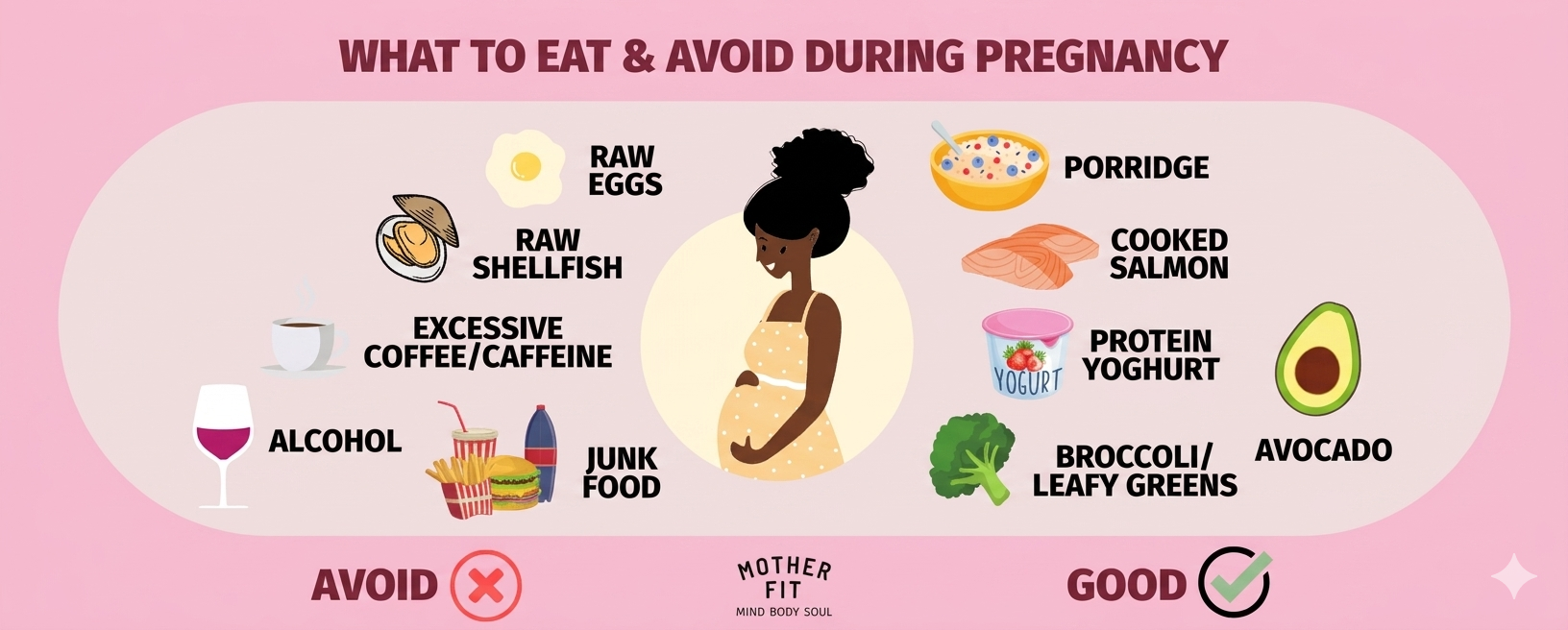
Foods to Eat During
Pregnancy
1. Fresh Fruits and
Vegetables
Fruits and vegetables
are rich in vitamins, minerals, antioxidants, and fiber. They help strengthen
the immune system, improve digestion, and support healthy fetal development.
Recommended options
include:
Aim to include a
variety of colorful fruits and vegetables in your daily meals.
2. Protein-Rich
Foods
Protein is essential
for the growth of the baby's tissues, muscles, and organs.
Healthy protein
sources include:
Protein should be
included in every major meal.
3. Dairy Products
Milk, yogurt, and
cheese provide calcium, protein, and vitamin D, which are essential for the
baby's bone and teeth development.
Pregnant women should
consume adequate dairy products daily unless advised otherwise by their
healthcare provider.
4. Whole Grains
Whole grains provide
energy, fiber, and important nutrients.
Examples include:
These foods help
maintain stable energy levels and support healthy digestion.
5. Iron-Rich Foods
Iron is important for
preventing anemia and supporting increased blood production during pregnancy.
Good sources include:
Combining iron-rich
foods with vitamin C sources can improve iron absorption.
6. Plenty of Water
Staying hydrated is
essential during pregnancy. Water helps transport nutrients, supports amniotic
fluid levels, and reduces the risk of dehydration and constipation.
Most pregnant women
should aim to drink plenty of fluids throughout the day.
Foods and Drinks to
Avoid During Pregnancy
1. Raw or
Undercooked Foods
Avoid consuming:
These foods may
contain harmful bacteria and parasites that can affect both mother and baby.
2. Unpasteurized
Dairy Products
Unpasteurized milk and
dairy products may contain harmful bacteria that increase the risk of
infection.
Always choose
pasteurized dairy products.
3. Excessive
Caffeine
Too much caffeine may
increase the risk of pregnancy complications.
Limit intake from:
Consult your doctor
regarding safe caffeine limits.
4. Alcohol
There is no known safe
amount of alcohol during pregnancy. Alcohol can interfere with fetal
development and increase the risk of birth defects.
Pregnant women should
completely avoid alcohol.
5. Highly Processed
and Junk Foods
Foods high in sugar,
salt, and unhealthy fats may contribute to excessive weight gain and other
health problems.
Limit:
6. Smoking and
Tobacco Products
Smoking and tobacco
use can significantly increase the risk of miscarriage, premature birth, and
low birth weight.
Pregnant women should
avoid all forms of tobacco exposure.
Additional Healthy
Pregnancy Tips
Conclusion
A healthy pregnancy
begins with healthy nutrition. Eating a balanced diet rich in fruits,
vegetables, proteins, dairy products, and whole grains can support both
maternal health and fetal development. At the same time, avoiding harmful
foods, alcohol, tobacco, and unsafe dietary habits can reduce the risk of
complications.
At PMK Hospital, we encourage all expectant mothers to follow a healthy lifestyle, attend regular prenatal checkups, and seek professional medical guidance throughout pregnancy. Proper nutrition and care during pregnancy can help ensure a safer pregnancy and a healthier future for both mother and baby.