Jun 04, 2026
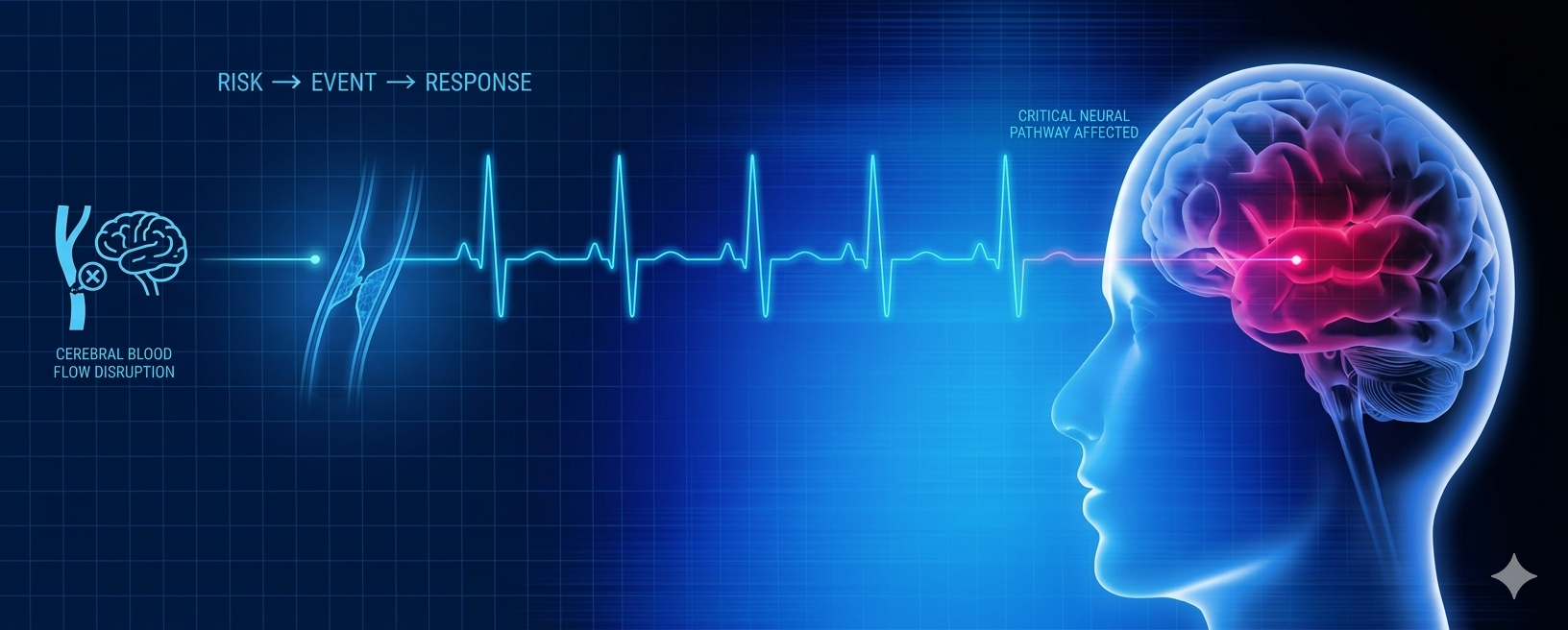
Stroke is a serious
medical emergency that occurs when the blood supply to a part of the brain is
interrupted or reduced. As a result, brain cells are deprived of oxygen and
nutrients, causing them to begin dying within minutes. Stroke is one of the
leading causes of death and long-term disability worldwide. However,
recognizing the early signs of stroke and seeking immediate medical attention
can significantly improve the chances of recovery and reduce the risk of
permanent brain damage.
One of the biggest
challenges with stroke is that symptoms often appear suddenly and may be
mistaken for less serious health problems. Understanding the warning signs can
help save lives and prevent complications.
Common Early Signs
of Stroke
Sudden Weakness or
Numbness
One of the most common
symptoms of stroke is sudden weakness or numbness in the face, arm, or leg,
especially on one side of the body. A person may find it difficult to move one
arm, walk properly, or maintain balance. If one side of the face droops while
smiling, it may indicate a stroke.
Difficulty Speaking
or Understanding Speech
Stroke can affect the
areas of the brain responsible for language and communication. A person may
suddenly have trouble speaking clearly, produce slurred speech, or struggle to
understand what others are saying. They may appear confused or unable to form
complete sentences.
Vision Problems
Sudden vision changes
can also be a warning sign. These may include blurred vision, double vision,
partial vision loss, or complete loss of vision in one or both eyes. Any
unexplained vision problem should be taken seriously.
Severe Headache
A sudden, severe
headache with no obvious cause may indicate a stroke, particularly a
hemorrhagic stroke caused by bleeding in the brain. This headache is often
described as one of the worst headaches a person has ever experienced and may
be accompanied by nausea or vomiting.
Dizziness and Loss
of Balance
Many stroke patients
experience sudden dizziness, difficulty walking, loss of coordination, or
problems maintaining balance. These symptoms can occur without warning and
should not be ignored.
The FAST Method
Healthcare
professionals recommend remembering the word FAST to recognize stroke
symptoms quickly:
The faster treatment
begins, the better the chances of reducing brain damage and improving recovery.
Risk Factors for
Stroke
Several factors
increase the risk of stroke, including high blood pressure, diabetes, high
cholesterol, obesity, smoking, heart disease, physical inactivity, and
excessive alcohol consumption. Age and family history can also play a role.
How to Reduce the
Risk of Stroke
Preventing stroke often involves maintaining a healthy lifestyle. Regular exercise, a balanced diet rich in fruits and vegetables, avoiding smoking, limiting alcohol intake, managing stress, and controlling blood pressure and diabetes can significantly reduce stroke risk. Regular health checkups are also important for early detection of potential health problems.
Stroke is a life-threatening condition that requires immediate medical attention. Sudden weakness, facial drooping, speech difficulties, vision changes, severe headaches, and loss of balance are important warning signs that should never be ignored. Recognizing these symptoms early and acting quickly can save lives and reduce long-term disability. Remember the FAST method and seek emergency care immediately if stroke is suspected. Early treatment is the key to better recovery and a healthier future.