Hypertension
Jun 04, 2026
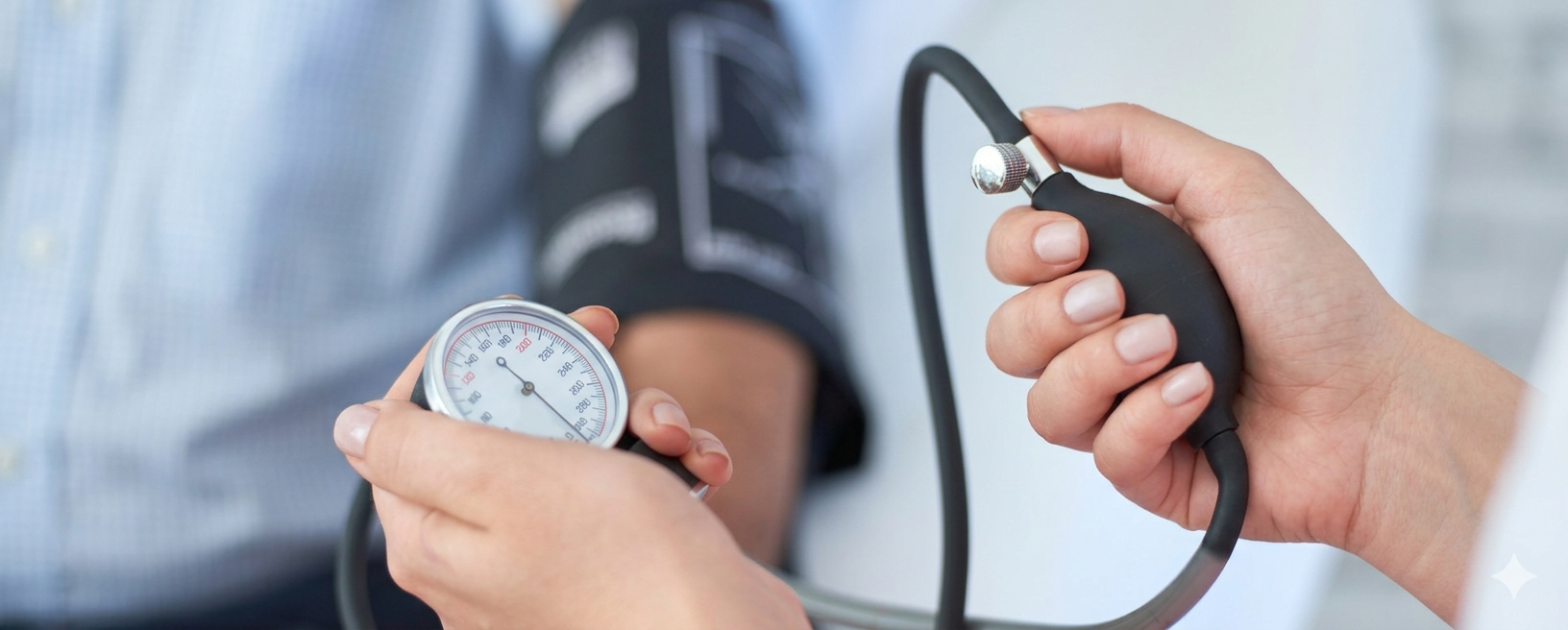
High blood pressure,
also known as hypertension, is one of the most common health conditions
worldwide. It occurs when the force of blood against the walls of the arteries
remains consistently high. Hypertension is often called the “silent killer”
because many people do not experience noticeable symptoms until serious
complications develop. If left untreated, high blood pressure can lead to heart
disease, stroke, kidney failure, and other life-threatening conditions.
Common Signs and
Symptoms
Although hypertension
may not cause symptoms in its early stages, some individuals may experience:
It is important to
remember that many people with high blood pressure feel completely normal.
Therefore, regular blood pressure monitoring is essential for early detection.
Risk Factors
Several factors can
increase the risk of developing hypertension, including:
Prevention and
Management
Fortunately,
hypertension can often be prevented and controlled through healthy lifestyle
choices.
1. Reduce Salt Intake
Too much sodium can
raise blood pressure. Adults should aim to consume less than 5 grams of salt
per day. Avoid processed foods, fast foods, and packaged snacks that contain
high amounts of sodium.
2. Follow a Healthy
Diet
Eat a balanced diet
rich in fruits, vegetables, whole grains, lean proteins, and healthy fats.
Foods rich in potassium, such as bananas, spinach, and sweet potatoes, may help
regulate blood pressure.
3. Exercise Regularly
Physical activity
helps strengthen the heart and improve blood circulation. Aim for at least 150
minutes of moderate exercise per week, such as walking, cycling, swimming, or
jogging.
4. Maintain a Healthy
Weight
Being overweight
places additional strain on the heart and blood vessels. Losing even a small
amount of weight can significantly improve blood pressure control.
5. Avoid Smoking and
Limit Alcohol
Smoking damages blood
vessels and increases the risk of cardiovascular disease. Excessive alcohol
intake can also contribute to hypertension.
6. Manage Stress
Chronic stress may
contribute to high blood pressure. Activities such as meditation, yoga, deep
breathing exercises, and spending time with family can help reduce stress
levels.
7. Get Regular
Checkups
Routine health screenings allow early detection and management of hypertension before complications develop.